

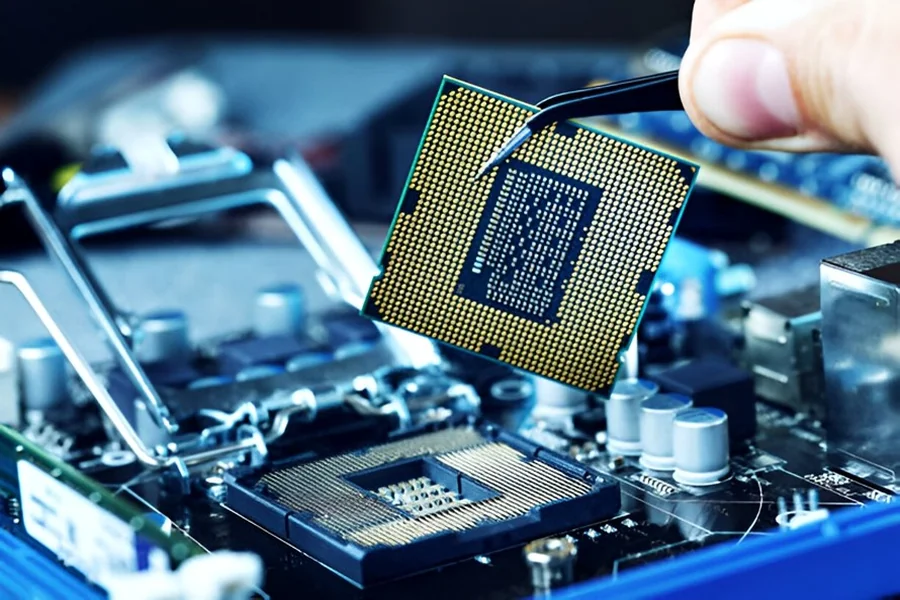
Lead free PCB assembly has become the preferred standard across the global electronics industry, driven by increasing environmental regulations and consumer demand for safer, greener products. This assembly method eliminates the use of traditional lead-based solder and replaces it with environmentally friendly alloys that comply with RoHS and other international directives. Today, lead free PCB assembly is essential for companies that manufacture electronics for Europe, North America, and other regions with strict environmental requirements.
As electronic devices become more compact and complex, choosing a reliable lead free assembly method ensures product safety, durability, and global compliance. It enables brands to meet regulatory expectations without compromising performance or product lifespan.
Why Lead Free PCB Assembly Matters
Lead-based solder was once widely used due to its low melting point, strong bonding, and ease of use. However, its environmental and health risks led to strict international regulations. Lead free PCB assembly solves these issues while maintaining high-quality electrical connections.
Switching to lead free processes is not just a regulatory decision—it also improves brand reputation and opens access to global markets. Manufacturers that adopt lead free standards demonstrate responsibility toward both users and the environment while ensuring long-term reliability of their electronics.
Benefits of Lead Free PCB Assembly
Environmental and Health Safety
The most significant advantage of lead free assembly is the elimination of toxic substances. Lead exposure can cause severe health problems and environmental contamination. Lead free soldering ensures that both workers and end users remain safe from harmful materials.
Compliance With Global Regulations
RoHS, WEEE, and other international standards strictly restrict hazardous substances. Lead free PCB assembly allows companies to manufacture electronics that comply with these regulations, enabling smoother product sales in global markets.
Improved Durability and Heat Resistance
Lead free solder typically has a higher melting point, which results in stronger joints and better thermal performance. This is especially useful for electronics exposed to high temperatures, such as automotive systems, industrial devices, and consumer appliances.
Better Long-Term Reliability
Modern lead free alloys have advanced significantly, offering excellent mechanical strength, lower failure rates, and reliable electrical conductivity. Devices assembled using lead free materials tend to have a longer service life and fewer maintenance issues.
How Lead Free PCB Assembly Works
Specialized Solder Materials
Lead free PCB assembly typically uses alloys such as SAC305 (tin, silver, copper), which offer excellent wetting and mechanical strength. Selecting the right solder alloy is critical for ensuring stable long-term performance.
Optimized Reflow Profiles
Lead free solder requires a higher temperature during the reflow process. Manufacturers carefully design thermal profiles to avoid component damage, solder bridging, or incomplete reflow. This ensures flawless joints across every PCB.
Component Compatibility and PCB Selection
Not all components are automatically compatible with lead free solder. Engineers review BOM, datasheets, and PCB materials to ensure that everything can withstand higher reflow temperatures. This step reduces risk and improves assembly quality.
Enhanced Quality Inspections
Lead free PCB assemblies undergo extensive inspections, including AOI, X-ray (especially for BGAs), functional testing, and reliability verification. These processes guarantee correct soldering, accurate placement, and stable electrical performance.
Industries That Use Lead Free PCB Assembly
Consumer Electronics
Smartphones, wearables, smart home devices, computers, and entertainment systems rely heavily on lead free assembly to meet global standards and ensure user safety.
Automotive and Transportation
Modern vehicles incorporate hundreds of electronic modules. Lead free assembly provides the long-term heat resistance and mechanical stability required under demanding automotive conditions.
Medical Electronics
Healthcare equipment must meet strict safety regulations. Lead free soldering ensures safer, reliable devices used for monitoring, treatment, and diagnostics.
Industrial and Energy Systems
Control boards, automation systems, and renewable energy equipment benefit from durable, thermally stable lead free assemblies that can withstand heavy-duty usage.
Challenges in Lead Free PCB Assembly
Higher Processing Temperatures
Since lead free alloys have higher melting points, components and PCBs must be designed to tolerate additional heat. Experienced engineers and precision machinery help manage these challenges effectively.
Careful Alloy Selection
Different applications require different solder alloys. Choosing the wrong one may lead to brittle joints or thermal cracks. Skilled manufacturers know how to match alloys with application requirements.
Material Cost Considerations
Some lead free alloys, especially those containing silver, are more expensive. However, the long-term reliability and compliance benefits outweigh the cost difference.
Why Choosing the Right Manufacturer Matters
Lead free PCB assembly requires specialized equipment, advanced engineering expertise, strict thermal control, and high-quality inspection systems. A qualified manufacturing partner ensures:
- reliable lead free solder joints
- regulatory compliance for global markets
- consistent thermal profiles during reflow
- stable quality for small or large production runs
Working with a skilled assembly partner minimizes risks and guarantees durable PCBs suitable for modern electronic applications.
Final Thoughts: Lead Free PCB Assembly for a Safer Future
Lead free PCB assembly is no longer an option—it is a requirement for companies that want to build safe, compliant, and long-lasting electronic products. As technology continues to advance, lead free solutions offer strong performance, environmental sustainability, and global acceptance. If you want professional support, reliable production, and complete compliance with global standards, partnering with a trusted PCBA China provider ensures you receive high-quality lead free assembly with efficient delivery and competitive pricing.
