

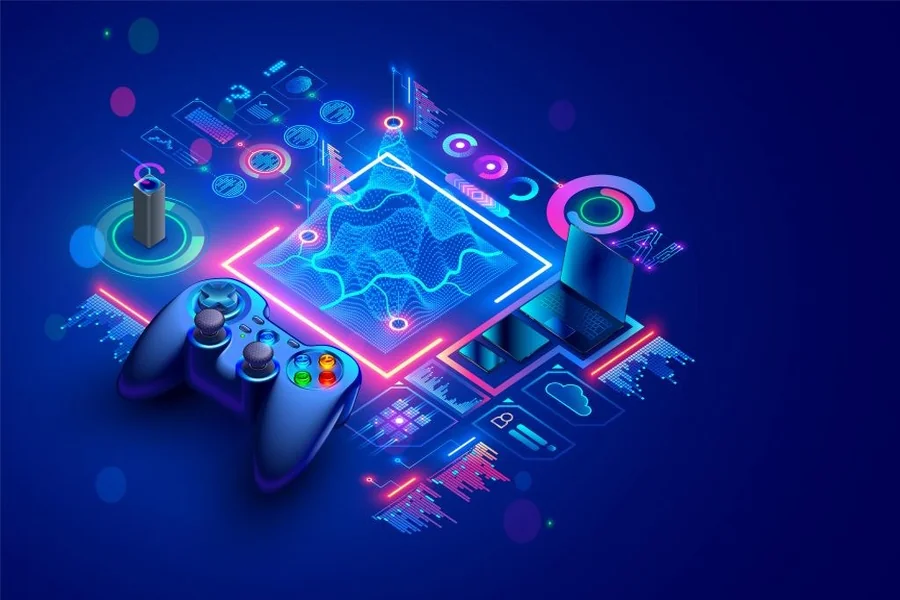
Online depo 10k has become a defining feature of modern entertainment, bringing together players through internet-connected devices and shared virtual experiences. People can now compete against skilled opponents, cooperate with friends, explore digital worlds, and communicate with communities from different parts of the globe.
The growth of online gaming has been closely connected to technological progress. Faster internet connections, advanced graphics, powerful smartphones, cloud computing, and improved game engines have given developers the tools to create increasingly complex experiences. At the same time, gaming has expanded into esports, streaming, social communities, and digital careers.
The Beginning of Connected Gaming
Traditional video games were mainly designed for individual players or local multiplayer sessions. Friends generally needed to be in the same place to play together.
The development of internet-based multiplayer systems changed this limitation. Players could connect remotely and interact through shared servers.
As internet technology improved, developers began building games specifically around online interaction, creating experiences that could support large and active communities.
A Global Gaming Environment
Online gaming has created a global network where geographical distance matters less. Players can join matches with people from different cities, countries, and cultures.
This international environment allows users to discover different approaches to gaming and communicate with people they might never otherwise encounter.
Global tournaments and online gaming events have further strengthened this worldwide community.
Why Online Games Are So Engaging
Online gaming combines active participation with unpredictable human behavior. Players directly influence what happens instead of simply watching a predetermined sequence of events.
Human opponents can change their tactics at any moment. Teammates can also introduce unexpected ideas or strategies.
This uncertainty keeps many games interesting even after hundreds of hours of play.
Competition and Player Development
Competitive systems give players clear goals. Rankings, statistics, achievements, and leaderboards allow users to track their performance.
Players may spend time practicing specific skills, studying strategies, and analyzing mistakes.
The feeling of improvement can be a major source of satisfaction, particularly for users who enjoy challenging themselves.
The Importance of Cooperation
Many online games require teamwork. Players often have different roles and abilities that must work together.
Communication helps teams coordinate their actions and respond to unexpected situations.
Cooperative experiences can also strengthen relationships because players share both challenges and achievements.
Gaming as a Social Platform
Online games increasingly function as social spaces. Players communicate through voice chat, text messages, groups, and community platforms.
Friends can meet inside virtual environments and spend time together without being physically present.
Gaming communities can also provide opportunities for people with similar interests to connect and exchange ideas.
The Mobile Gaming Revolution
Smartphones have made online gaming accessible to a massive audience. People can participate in multiplayer games without owning a dedicated gaming computer or console.
Mobile titles range from simple casual games to sophisticated competitive experiences.
The portability of smartphones also makes gaming more flexible, allowing users to play during convenient periods throughout the day.
A Wide Variety of Gaming Experiences
Online gaming covers a broad collection of genres. Action games focus on reflexes and quick decisions, while strategy games emphasize planning and resource management.
Role-playing games often combine storytelling, exploration, and character development.
Racing, sports, survival, simulation, adventure, and puzzle games provide additional options for players with different preferences.
The Rise of Esports
Esports has transformed competitive gaming into a professional field. Players compete in organized tournaments and leagues that attract audiences through online broadcasts and live events.
Professional competitors often practice extensively and work with coaches and analysts.
The esports ecosystem also includes commentators, tournament organizers, broadcasters, sponsors, and team managers.
Streaming and Gaming Creators
Gaming streams have created a new form of entertainment. Viewers can watch players compete, learn strategies, and interact with creators through live chat.
Creators may specialize in tutorials, reviews, challenges, competitive gameplay, or casual entertainment.
Some have built successful careers by developing large communities around their gaming content.
The Power of Gaming Communities
Communities help online games remain active and relevant. Players share strategies, discuss updates, report problems, and create educational resources.
Fan-made guides and videos can help beginners understand complicated systems.
Creative users may also produce artwork, modifications, and other projects inspired by games.
Technology Behind Multiplayer Experiences
Modern online games rely on advanced servers and networking systems. Servers manage player connections and synchronize information between participants.
Latency is particularly important in competitive games because delays can affect movement and timing.
Modern graphics hardware and game engines also allow developers to build detailed environments with sophisticated visual and audio effects.
Artificial Intelligence in Gaming
Artificial intelligence is becoming an important part of game development. AI can help improve computer-controlled characters and assist developers with testing and other production processes.
Future games may use AI to adapt gameplay to individual users.
Characters could respond differently to player behavior, while challenges might become easier or more difficult depending on performance.
Virtual Reality and Immersive Worlds
Virtual reality offers a more immersive approach to online gaming. Players can enter digital environments through specialized headsets and interact with them using motion controls.
Multiplayer VR could allow users to communicate and cooperate within shared virtual spaces.
As VR technology becomes more affordable and comfortable, its role in online gaming may continue to expand.
Gaming and Problem-Solving
Many online games require players to make decisions under pressure. Strategy games can involve resource management, planning, and long-term thinking.
Puzzle and adventure games can require observation and logical reasoning.
Team-based games can also involve communication and quick problem-solving.
Responsible Gaming Habits
Online gaming can be enjoyable when it remains part of a balanced lifestyle. Excessive gaming may interfere with sleep, exercise, education, work, or relationships.
Players should take regular breaks and make time for other responsibilities.
Maintaining a healthy routine allows gaming to remain a positive form of entertainment.
Protecting Gaming Accounts
Digital security should not be ignored. Gaming accounts may contain personal data and payment information.
Players should use strong passwords and enable two-factor authentication whenever possible.
It is also important to avoid suspicious links, unknown downloads, and requests for sensitive account information.
The Economic Growth of Gaming
Online gaming has developed into a major commercial industry. Companies generate revenue through game purchases, subscriptions, advertising, digital content, and online services.
The sector also supports a wide range of careers, including programming, animation, design, marketing, broadcasting, streaming, esports, and customer support.
Continued innovation is expected to create additional economic opportunities.
Cloud Gaming and Broader Access
Cloud gaming provides an alternative approach to running demanding titles. Remote servers handle much of the processing, while users access games through internet-connected devices.
This technology could reduce hardware requirements and make advanced gaming more accessible.
Its success will depend on improvements in internet speed, reliability, and latency.
What Lies Ahead
The future of online slot bonus is likely to be more connected and immersive. Artificial intelligence could create responsive characters and adaptive environments.
Cloud platforms may allow users to access games across a wider range of devices, while virtual and augmented reality could create new forms of interaction.
Gaming platforms may also develop into broader social environments where people attend virtual events, communicate, and create digital content.
Conclusion
Online gaming has transformed the traditional concept of play into a connected digital experience. It allows people to compete, cooperate, socialize, create, and explore without being limited by physical distance.
Technological developments in mobile gaming, artificial intelligence, cloud computing, streaming, esports, and immersive hardware will continue to shape the industry.
With responsible habits and strong online security, gaming can remain an enjoyable and meaningful part of digital life. As innovation continues, online gaming will offer increasingly sophisticated ways for people around the world to connect and experience interactive entertainment.
